
10 Reasons Your Oven Is Not Heating Up (And What You Can Do)
An oven that refuses to heat up can quickly derail your daily routine. Whether you’re preparing a family dinner, baking bread, or running a food business from home, a non-heating oven creates stress, delays, and wasted ingredients.
The good news? An oven not heating is a common appliance issue, and in many cases, the cause is straightforward. Some problems can be fixed with basic troubleshooting, while others require professional oven repair.
This guide breaks down exactly why your oven isn’t heating, what happens internally when it fails, and how to decide whether you can fix it yourself or need a technician.
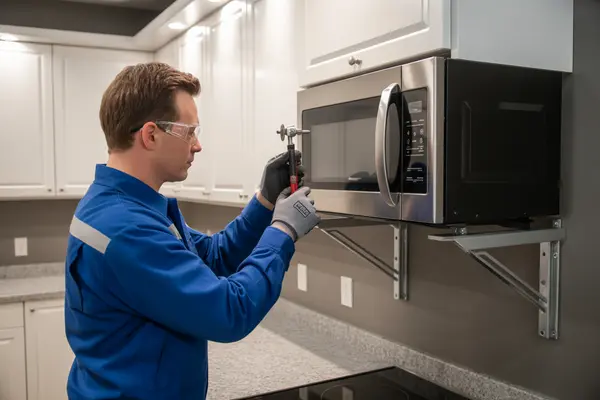
What Happens When Your Oven Stops Heating?
When an oven is functioning correctly, electricity or gas flows through multiple components that work together to generate and regulate heat. These include:
- Heating elements (electric ovens)
- Igniters and gas valves (gas ovens)
- Temperature sensors and thermostats
- Control boards and selector switches
- Door seals and safety mechanisms
If any one of these components fails, the oven may turn on but never reach temperature, heat unevenly, or shut off unexpectedly.
Understanding how these parts interact makes it easier to identify where the problem starts.
Basic Oven Troubleshooting Before Calling a Technician
Before assuming the worst, it’s smart to rule out simple issues that don’t require tools or technical skills.
Try these basic checks first:
- Make sure the oven is fully plugged in
- Confirm the circuit breaker hasn’t tripped
- Test another electrical appliance in the same outlet
- Check that the oven door closes tightly
- Restart the oven by turning off power for 5–10 minutes
If the oven still isn’t heating after these steps, it’s time to look deeper.
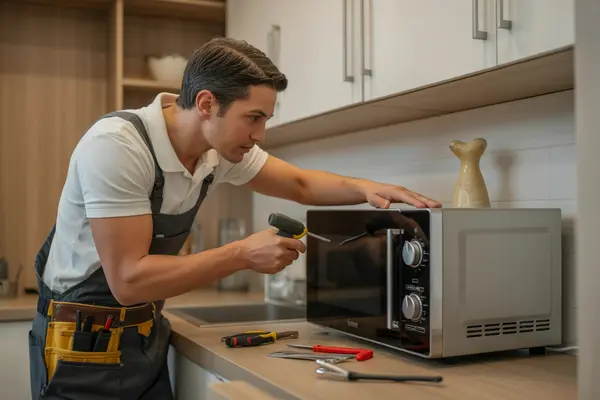
10 Common Reasons Your Oven Is Not Heating Up
1. Oven Is Unplugged or Not Getting Power
This may sound obvious, but it happens more often than you’d think—especially after cleaning, moving appliances, or electrical work.
Signs to watch for:
- Display is completely blank
- Interior light doesn’t turn on
- No response from controls
Electric ovens require a 240-volt power supply, not standard household voltage. Even a partially loose plug can prevent heating while allowing lights or displays to work.
What you can do:
Check the outlet, plug connection, and test voltage if you have a multimeter.
2. Tripped Circuit Breaker or Blown Fuse
Ovens draw significant electrical load. A surge, power outage, or overload can trip the breaker or blow a fuse.
Common symptoms:
- Oven worked recently, then stopped suddenly
- Cooktop works but oven doesn’t heat
- Breaker switch is in the “off” or middle position
What you can do:
Reset the breaker once. If it trips again, stop using the oven and call a professional—repeated trips indicate a deeper electrical fault.
3. Broken Heating Element (Electric Ovens)
In electric ovens, heating elements are responsible for generating heat. Most ovens have two elements:
- Bake element (bottom)
- Broil element (top)
If either element fails, the oven may not heat properly.
Signs of a bad heating element:
- Visible cracks or blisters
- Element doesn’t glow red
- Oven heats unevenly or not at all
What you can do:
Visually inspect the element. Replacing a heating element is often a DIY-friendly repair if you’re comfortable disconnecting power and using basic tools.
4. Defective Igniter (Gas Ovens)
Gas ovens rely on an igniter to open the gas valve and ignite the burner. A weak igniter may glow but fail to open the valve fully.
Symptoms include:
- Oven takes too long to heat
- No flame even though igniter glows
- Gas smell without ignition (dangerous)
What you can do:
Igniters must draw the correct amperage to function. Replacement is common but should be done carefully due to gas safety concerns.
5. Faulty Oven Temperature Sensor
The temperature sensor monitors the oven’s internal heat and communicates with the control board to maintain accuracy.
When it fails, the oven may:
- Not heat at all
- Overheat or underheat
- Shut off prematurely
Signs of sensor problems:
- Inconsistent temperatures
- Error codes on digital display
- Food cooking unevenly
What you can do:
A multimeter can test sensor resistance. If readings are off, replacement is required.
6. Oven Thermostat Is Not Working Properly
Older ovens use mechanical thermostats to regulate temperature. Over time, these can wear out or lose calibration.
Common indicators:
- Oven heats but never reaches set temperature
- Temperature fluctuates wildly
- Food consistently undercooked or burnt
What you can do:
Thermostat replacement usually requires partial disassembly and precise calibration—often best handled by a technician.
7. Oven Needs Recalibration
Sometimes, the oven is heating—but not to the temperature you set.
This is especially common in:
- Older ovens
- Frequently used appliances
- Units exposed to power surges
Signs recalibration is needed:
- Oven runs hot or cold by 25°F or more
- Recipes consistently fail
- No visible component damage
What you can do:
Many modern ovens allow recalibration through the control panel. Check your manufacturer’s instructions.
8. Oven Door Won’t Close or Seal Properly
A poorly sealed oven door allows heat to escape, preventing the oven from reaching or maintaining temperature.
Look for:
- Worn or torn door gasket
- Door not aligning correctly
- Heat escaping around edges
Why this matters:
Modern ovens have safety sensors that may prevent heating if the door isn’t sealed correctly.
What you can do:
Replace the gasket or adjust hinges. This is a low-cost fix with a big impact.
9. Control Board or Selector Switch Failure
The control board acts as the oven’s brain, sending signals to heating elements, igniters, and sensors.
Symptoms include:
- Oven turns on but won’t heat
- Buttons don’t respond
- Random shutdowns
Selector switches in older ovens can also fail, interrupting power flow.
What you can do:
Control board diagnosis requires technical testing. Replacement can be expensive, so professional evaluation is recommended.
10. Gas Line or Safety Valve Issues (Gas Ovens)
Gas ovens include safety valves that regulate gas flow. If the valve doesn’t open, the oven won’t heat.
Warning signs:
- No gas smell or flame
- Clicking sounds without ignition
- Oven shuts off mid-cycle
What you can do:
Gas line and valve repairs should never be DIY. These issues require licensed technicians due to fire and explosion risks.
Is It Safe to Fix an Oven That’s Not Heating Yourself?
Some oven repairs are safe for homeowners, but others carry serious risks.
Generally safe DIY tasks include:
- Replacing a heating element
- Replacing door gaskets
- Resetting breakers
- Recalibrating temperature settings
Repairs best left to professionals:
- Gas igniter or valve replacement
- Control board repair
- Electrical wiring issues
- Thermostat replacement
If you’re unsure, safety should always come first.
When to Call a Professional Oven Repair Technician
You should call a professional oven repair technician if your oven is gas-powered, requires electrical testing, or continues to malfunction after basic troubleshooting.
Immediate professional help is essential if you smell gas, notice burning wires, or experience repeated power issues, as these can pose serious safety risks.
If your oven is still under warranty, hiring a qualified technician helps prevent further damage, ensures safe repairs, and can save money by avoiding costly mistakes or voided coverage.
Contact Info
Information


- 2026
- HomeFixly Appliance Repair.
- All rights reserved.