
Why Is My Freezer Not Freezing? Causes, Fixes & When to Call a Professional
A freezer that stops freezing can be more than a simple inconvenience—it can compromise food safety, damage your grocery budget, and create a mess of thawed food.
Freezers, whether standalone chest models, upright units, or compartments in refrigerators, rely on a delicate balance of electrical components, compressors, fans, and temperature sensors to maintain sub-zero conditions.
When something disrupts this system, pinpointing the cause can feel overwhelming, but understanding the mechanics behind freezing can make troubleshooting more approachable.
In this guide, we explore the most common reasons why freezers fail to freeze, practical fixes that homeowners can try, and the point at which professional freezer repair in Bend, Oregon, becomes necessary.
By the end, you will know how to diagnose your freezer, perform simple repairs, and ensure your appliance operates efficiently, keeping your food safely frozen year-round.
If Your Freezer Isn’t Freezing, Start With These Quick Checks
Before diving into technical repairs, start with basic inspections. Sometimes, the cause of a freezer malfunction is surprisingly simple. Begin by confirming that the unit is plugged in and receiving consistent power.
Resetting the circuit breaker can resolve unnoticed electrical issues. Check the temperature setting, ensuring it is at the standard 0°F (-18°C) for freezers. An accidental adjustment can easily explain why the freezer isn’t cold enough.
Next, inspect the door seal or gasket for gaps, cracks, or deformation. A compromised seal allows warm air to enter, reducing cooling efficiency and accelerating frost buildup.
Lastly, look for visible frost accumulation. Even a few inches of ice can restrict airflow, causing uneven cooling and partially thawed food. If these checks do not resolve the problem, the issue is likely mechanical or electrical, requiring more in-depth troubleshooting.
1. Overloaded or Crowded Freezer
Air circulation is crucial for any freezer. When a freezer is packed tightly with food, cold air cannot circulate evenly, leading to temperature inconsistencies. Overloading is a common issue in both upright and chest freezers, especially during holiday seasons or after bulk grocery shopping.
A crowded freezer can cause some items to remain soft while others are frozen solid. To correct this, remove excess items and reorganize the interior.
Leave space between food packages, particularly around vents, to allow cold air to flow freely. Keeping heavier items at the bottom and lighter items on top also improves airflow, ensuring that every section of the freezer maintains the proper freezing temperature.
2. Excessive Frost or Ice Buildup
Frost and ice accumulation can significantly impair a freezer’s cooling efficiency. This is especially common in freezers with manual defrost cycles or in units where the defrost system is failing. Ice buildup can block vents, preventing cold air from circulating, and forcing the compressor to work harder, which can lead to premature mechanical failure.
Unplug the freezer and remove all items if frost is present. Allow the ice to melt naturally, or use a plastic scraper to carefully remove thick ice layers.
Avoid using sharp tools that could puncture refrigerant lines or damage internal components. Once defrosted, inspect the defrost heater, timer, and thermostat. Recurring frost indicates a malfunctioning defrost system that may require replacement to restore proper function.
3. Dirty or Blocked Condenser Coils
Condenser coils are responsible for dissipating heat from the refrigerant. When these coils become clogged with dust, pet hair, or other debris, the freezer struggles to maintain low temperatures. Dirty condenser coils are a leading cause of inefficient cooling, higher energy bills, and prolonged compressor operation.
Cleaning condenser coils is straightforward but essential. Locate the coils, which are usually positioned behind or beneath the freezer, and use a vacuum or brush to remove debris.
Ensure that there is adequate clearance around the coils to allow for proper airflow. Regular maintenance of condenser coils, ideally every six months, prolongs the life of the freezer and enhances energy efficiency.
4. Faulty Evaporator Fan Motor
The evaporator fan motor circulates cold air throughout the freezer. If the fan fails, certain areas of the freezer may remain warm while others are frozen, leading to uneven temperature distribution. Malfunctioning fan motors are a common source of partial freezing problems, especially in upright freezers.
Signs of a faulty evaporator fan include unusual noises, uneven temperatures, or a freezer section that is not freezing while the refrigerator section remains cold.
Inspection involves checking for obstructions around the fan blades and testing the motor with a multimeter. If the fan does not operate correctly, replacement is typically required, though it can be a manageable DIY repair for those comfortable with electrical components.
5. Defective Start Relay
The start relay is a small but critical component that enables the compressor to start and run efficiently. A defective relay prevents the compressor from functioning, which can result in a freezer that feels warm and fails to freeze any items.
Symptoms of a failing start relay include a humming compressor, intermittent operation, or complete failure of the freezer to cool.
Diagnosing the relay involves unplugging the freezer, removing the start relay from the compressor, and testing it with a multimeter for continuity. If the test fails, the relay must be replaced to restore normal freezer operation.
6. Malfunctioning Thermostat or Temperature Sensor
Thermostats and temperature sensors regulate the cooling cycles in modern freezers. When these components malfunction, the freezer may not maintain a consistent temperature, leaving some areas warm and others frozen.
A failing thermostat can cause irregular cycling, meaning the compressor may not run when required or may run excessively.
To troubleshoot, inspect the thermostat and sensor for damage or loose connections. Measuring resistance with a multimeter can help determine if replacement is necessary. Faulty sensors should be replaced promptly to prevent further cooling issues.
7. Worn or Failed Condenser Fan Motor
Some freezers are equipped with a separate condenser fan motor responsible for cooling the compressor and condenser coils.
A malfunctioning condenser fan can cause the compressor to overheat, reducing freezing efficiency and potentially leading to permanent damage.
Common signs include loud or unusual noises, warm freezer temperatures, and a compressor that runs continuously.
Cleaning the fan blades and checking motor bearings can sometimes resolve the issue. However, if the motor is worn or fails to spin freely, professional replacement is often the best course of action.
8. Freezer Door Seal or Gasket Problems
A damaged door seal is a common cause of freezer inefficiency. Gaps, cracks, or warped gaskets allow warm air to enter, which not only reduces freezing performance but also accelerates frost formation.
Signs of a faulty seal include frost buildup along the edges of the door and partially thawed food. Cleaning the gasket with warm, soapy water may improve the seal temporarily, but long-term issues usually require replacement. The “dollar bill test” can help identify leaks: close a bill in the door, and if it slides out easily, the gasket may be compromised.
9. Compressor Issues (Most Serious Cause)
The compressor is the heart of a freezer’s cooling system. If it fails, the freezer will stop freezing entirely. Compressor issues are serious, often accompanied by unusual noises such as clicking, hissing, or continuous humming.
Diagnosing a compressor problem typically requires a professional technician, as repairs can involve handling refrigerants and high-voltage components. Older freezers may require complete compressor replacement, which is often more cost-effective than continual repairs.
Additional Freezer Troubleshooting Tips
Freezer maintenance is not limited to component repair. Ensuring the appliance is level allows proper refrigerant flow, while keeping it away from heat sources like ovens or direct sunlight improves efficiency.
Limiting door openings prevents warm air from entering, and checking power cords and outlet voltage helps avoid electrical disruptions.
These practices, combined with regular cleaning and inspections, reduce the likelihood of freezing problems and extend the life of your appliance.
Can You Fix a Freezer That’s Not Freezing Yourself?
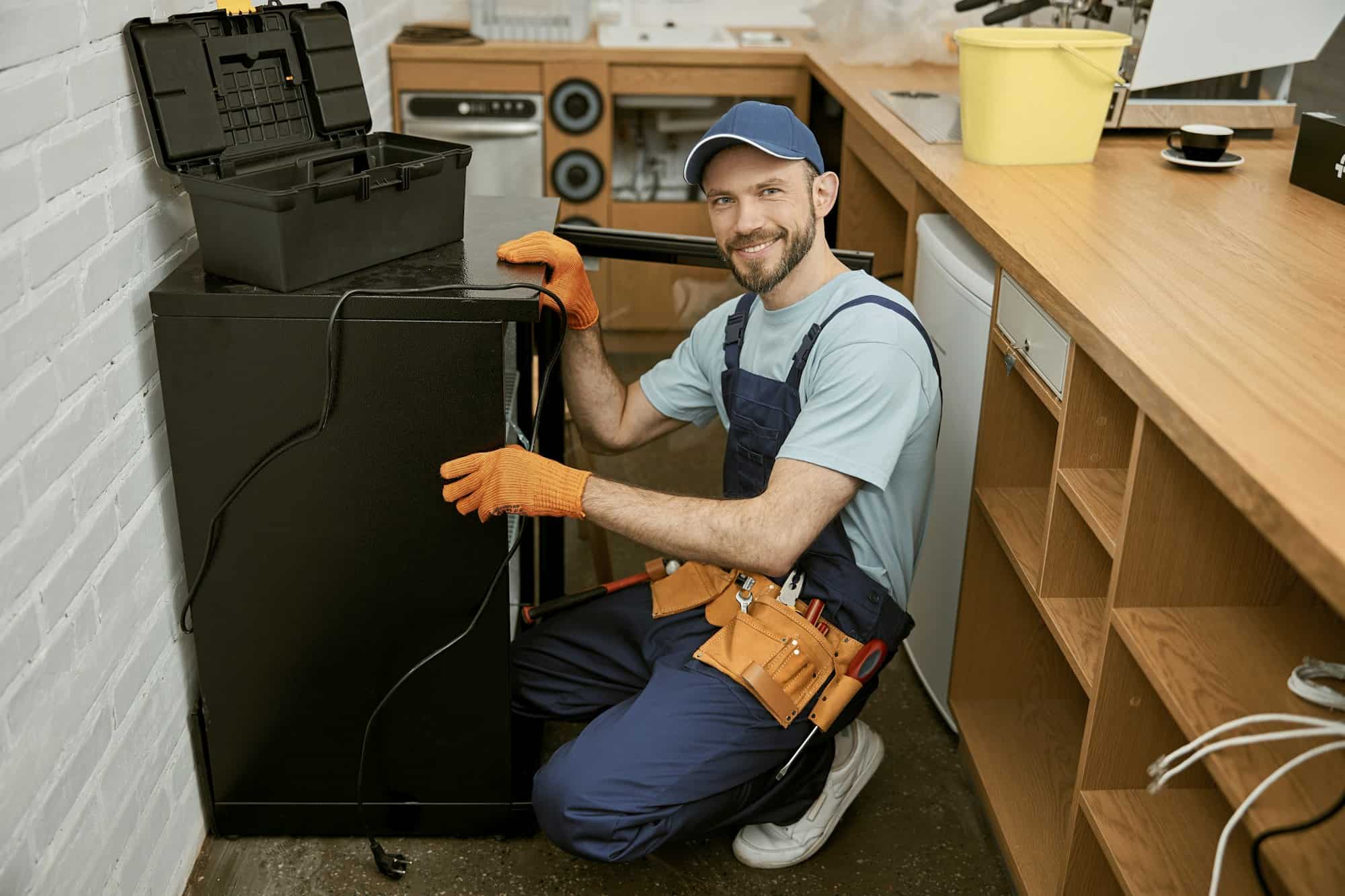
Certain freezer issues, such as cleaning condenser coils, defrosting frost buildup, or replacing a door gasket, can be handled by homeowners with basic tools.
However, repairs involving compressors, refrigerant leaks, or complex electrical components require professional skills.
Attempting these repairs without experience can be dangerous and may lead to further damage or personal injury.
When to Call a Freezer Repair Expert in Bend, OR
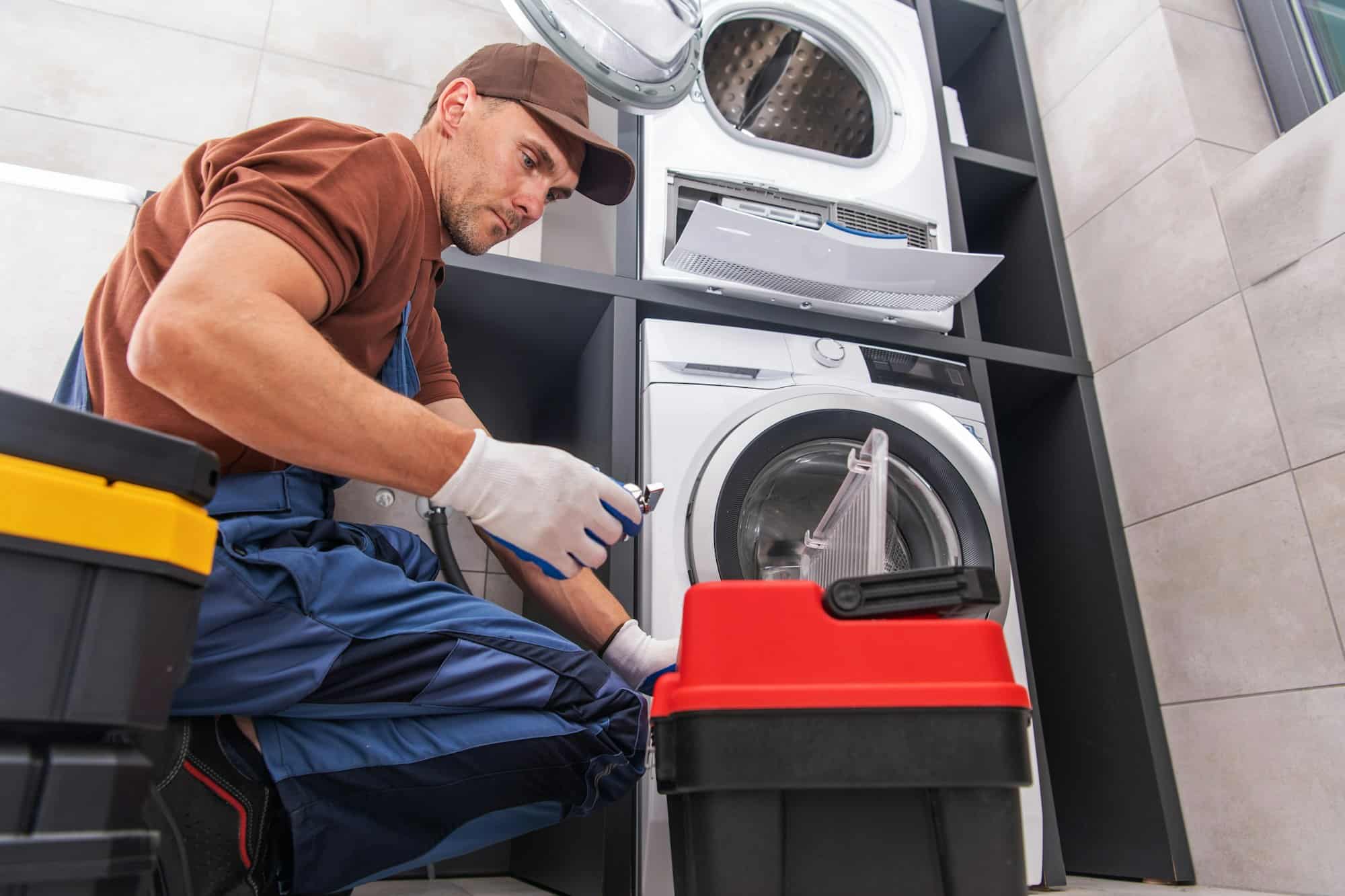
Professional repair should be sought when basic troubleshooting does not resolve the problem. If your freezer continues to be warm, produces unusual noises, or shows signs of frost and softening food despite correct temperature settings, calling a certified technician is advisable.
Refrigerant issues, compressor failures, or complex electrical malfunctions are best handled by trained professionals who have the knowledge and tools to perform safe and effective repairs.
Professional Freezer Repair Services in Bend, Oregon
In Bend, Oregon, professional appliance repair companies provide comprehensive freezer services.
These include diagnostics, compressor replacement, refrigerant recharge, door gasket repair, thermostat replacement, and fan motor service.
Working with certified technicians ensures safe, high-quality repairs that restore your freezer to optimal performance.
Schedule Freezer Repair Before It Gets Worse
Ignoring a freezer that is not freezing can lead to spoiled food, water damage, and higher energy bills. Early intervention prevents further appliance damage and ensures your food remains safely frozen.
Schedule a professional freezer repair service at the first sign of trouble to maintain efficiency and avoid costly replacements.
Frequently Asked Questions
How can I tell if my freezer is broken or just needs adjustment?
A freezer may appear broken when a simple adjustment could solve the issue. Check the temperature settings, door seals, and frost accumulation. If these are normal but the freezer remains warm, mechanical or electrical problems may be present.
Why is my refrigerator cold but the freezer not freezing?
This situation often indicates airflow issues. The evaporator fan may be malfunctioning, vents could be blocked, or the thermostat might be faulty. Cold air reaches the refrigerator section but fails to circulate into the freezer properly.
Why is my freezer only freezing at the bottom or top?
Uneven freezing is frequently caused by blocked airflow from overcrowding, frost buildup, or a failing fan motor. Ensuring proper air circulation and defrosting regularly can help maintain even freezing.
Why is ice cream soft but other items are frozen?
Ice cream is particularly sensitive to minor temperature fluctuations. Partial compressor failure or frequent door openings can cause localized soft spots, while other items remain frozen.
How do I reset my freezer safely?
Unplug the freezer for 5–10 minutes and then plug it back in. This simple reset can resolve minor electronic glitches and allow digital freezers to recalibrate to the correct temperature.
Conclusion
A freezer that fails to freeze can stem from simple issues such as blocked vents or frost buildup, or more serious problems involving compressors, relays, and fans.
Understanding the underlying causes, performing routine maintenance, and knowing when to call a professional in Bend, Oregon, can save you time, money, and stress.
Regular inspections, careful use, and timely repairs will ensure your freezer remains reliable for years to come.
Contact Info
Information


- 2026
- HomeFixly Appliance Repair.
- All rights reserved.