
Dryer Not Heating Up? Common Causes, Easy Fixes & Expert Help in Bend, OR
A dryer that isn’t heating up can be one of the most frustrating household appliance issues. Whether you live in Bend, OR, or elsewhere, a malfunctioning dryer not only slows down your laundry routine but can also signal a potentially serious electrical or mechanical problem. From minor issues like clogged vents to major component failures, understanding why your dryer isn’t heating is key to fixing it effectively and safely.
In this comprehensive guide, we’ll explore common causes, step-by-step troubleshooting techniques, serious mechanical issues, and advice on when to call a professional dryer repair technician in Bend, Oregon. We’ll also cover preventative measures to ensure your dryer continues working efficiently for years to come.
Why Is My Dryer Not Heating Up?
Dryers, whether gas or electric, rely on a combination of heating elements, thermostats, and airflow systems to dry clothes efficiently. When your dryer runs but doesn’t produce heat, several issues may be at play. Common causes include:
- Clogged lint screens or dryer vents restricting airflow.
- Electrical issues, such as tripped breakers or faulty outlets.
- Faulty heating elements, thermal fuses, or thermostats.
- Gas supply problems in gas-powered dryers.
- Overloading or wet laundry, which prevents proper drying.
Identifying the root cause early can save you from expensive repairs and prevent potential fire hazards associated with dryers.
Quick Troubleshooting Steps Before Calling a Technician
Before you schedule professional dryer repair services, you can try some simple troubleshooting steps at home. Often, the fix is easier than it seems.
Check the Power Supply or Gas Connection
For electric dryers, ensure the dryer is plugged into a properly functioning outlet. Electric dryers typically require a 240V outlet, so a partially tripped breaker or blown fuse could prevent the heating element from working.
For gas dryers, confirm that the gas supply valve is open and that your gas line is intact. Without sufficient gas flow, the dryer won’t heat, even if it runs normally.
Pro tip: If you’re unsure about checking electrical outlets or gas lines, it’s best to consult a licensed professional to avoid hazards.
Clean the Lint Screen and Dryer Vent
A clogged lint screen is one of the most common reasons a dryer isn’t heating properly. Lint buildup restricts airflow, causing the dryer to overheat and shut down the heating element as a safety precaution.
- Remove lint from the lint trap after every load.
- Check the dryer vent hose for clogs or kinks.
- Consider a professional vent cleaning at least once a year to prevent fire hazards.
Reset the Circuit Breaker
Sometimes, the issue isn’t with the dryer itself but with the household electrical system. A tripped circuit breaker or blown fuse can prevent the dryer from generating heat.
- Locate your home’s breaker panel.
- Reset any tripped breakers.
- Test the dryer again.
Avoid Overloading the Dryer
Overloading a dryer restricts air circulation, preventing clothes from drying efficiently and causing the appliance to overheat. Always follow the manufacturer’s recommended load size to ensure proper performance.
Make Sure Clothes Aren’t Soaking Wet
Putting extremely wet clothes in the dryer can overwhelm the heating system. For best results:
- Spin clothes thoroughly in the washer before drying.
- Dry heavy items like towels and blankets separately to maintain airflow.
Dryer Running But Not Heating? More Serious Causes
If basic troubleshooting doesn’t fix the problem, your dryer may have a more serious mechanical or electrical issue. Understanding these common causes can help you communicate effectively with a repair technician.
Faulty Heating Element (Electric Dryers)
The heating element is the core component responsible for generating heat in electric dryers. Over time, the element can burn out, break, or short circuit. Signs of a faulty heating element include:
- Dryer runs but produces no heat.
- Clothes are still damp after a full cycle.
- The element shows visible breaks or corrosion upon inspection.
Replacing the heating element is typically straightforward but should be done by a qualified technician if you’re unfamiliar with electrical work.
Blown Thermal Fuse
The thermal fuse is a safety device that shuts down the dryer if it overheats. If your dryer stops heating entirely:
- Check the fuse with a multimeter to see if it’s blown.
- Thermal fuses are usually non-resettable, requiring replacement.
- A blown fuse is often caused by lint buildup or airflow restriction.
Defective Thermostat or Thermistor
The thermostat and thermistor regulate the dryer’s temperature. A malfunctioning sensor can prevent the heating element from turning on or cause intermittent heating issues.
- Symptoms: Dryer heats inconsistently or stops mid-cycle.
- Professional testing with a multimeter is recommended to confirm the problem.
Igniter or Gas Valve Solenoid Failure (Gas Dryers)
For gas dryers, heat generation relies on the igniter and gas valve solenoids. If either component fails:
- The dryer may run but not produce heat.
- You may hear the dryer running normally but no gas ignition occurs.
- Igniter replacement or gas valve repair should only be done by a licensed technician due to safety concerns.
Control Board or Timer Malfunction
Modern dryers use a control board or electronic timer to manage heating cycles. Malfunctions here can prevent heat from activating even if all other components are functioning.
- Symptoms include random heating failures or cycles stopping abruptly.
- Diagnosing control boards often requires professional expertise.
Dryer Heats Initially Then Stops — What’s Causing It?
If your dryer starts heating but stops mid-cycle, the issue may be:
- Overheating caused by clogged vents or lint buildup.
- Faulty thermal fuse or thermostat.
- Defective control board.
In some cases, the dryer may enter a safety shutdown mode to prevent fire hazards. Continuous maintenance and regular vent cleaning can prevent this issue.
Gas Dryer vs Electric Dryer Not Heating — What’s the Difference?
Understanding the differences between gas and electric dryers can help identify problems faster:
Feature | Gas Dryer | Electric Dryer |
Heat Source | Gas burner + igniter | Electric heating element |
Common Issue | Igniter failure, gas valve issues | Burnt heating element, tripped breaker |
Typical Repair Cost | Moderate | Low to Moderate |
Safety Considerations | Gas leaks, carbon monoxide | Electrical hazards |
Both types require proper maintenance and professional inspection when heating problems persist.
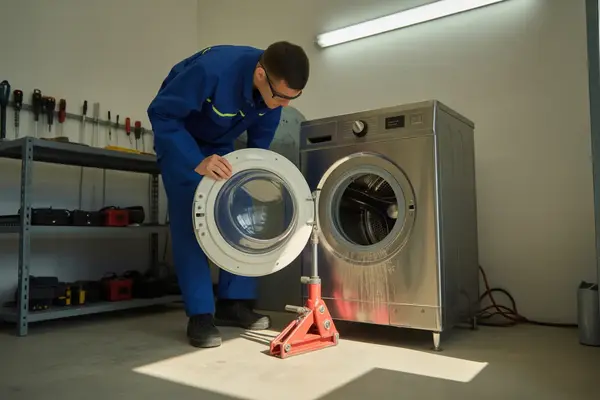
Is It Safe to Use a Dryer That’s Not Heating?
Using a dryer that isn’t heating may seem harmless, but it can lead to:
- Increased moisture in laundry rooms.
- Longer drying times causing fabric wear.
- Potential fire hazards if the problem is airflow-related.
It’s generally safe to run the dryer briefly to test, but prolonged use without heat can cause further damage.
When Should You Call a Professional Dryer Repair Technician?
Call a professional if your dryer runs but produces no heat after basic troubleshooting, or if you suspect issues with electrical components, gas lines, or the control board.
You should also seek help if you notice burning smells, sparks, unusual noises, or are unsure about safely handling gas or electrical parts.
A licensed dryer repair technician in Bend, OR, can quickly diagnose and fix the problem while ensuring safety standards are met.
Professional Dryer Repair Services in Bend, Oregon
In Bend, OR, professional dryer repair services provide same-day diagnostics and repair for both electric and gas dryers.
Services include replacement of heating elements, thermostats, fuses, and igniters, as well as dryer vent cleaning to prevent fires and improve efficiency.
Certified technicians also offer maintenance advice to extend your dryer’s lifespan and ensure it operates safely and efficiently.

Prevent Dryer Heating Problems in the Future
Preventive maintenance can save time, money, and reduce fire risks.
Key steps include cleaning the lint screen after every load, inspecting and cleaning dryer vents yearly, avoiding overloading, drying heavy items separately, and scheduling annual professional maintenance for complex issues. Following these practices keeps your dryer heating efficiently for years.
Frequently Asked Questions
1. How can I tell if my dryer heating element is bad?
A faulty heating element is the most common cause of a dryer not heating. Signs include the dryer running without producing heat, clothes remaining damp after a full cycle, or visible breaks, burns, or discoloration on the element. Testing with a multimeter can confirm if the element is defective.
2. Why is my dryer blowing warm air but not drying clothes?
Warm air without proper drying usually indicates airflow or temperature control issues. Common causes include clogged dryer vents, overloaded loads, or a faulty thermostat or thermal fuse that interrupts heating cycles. Cleaning vents and reducing load size often resolves the problem.
3. How often should dryer vents be cleaned?
For safety and efficiency, clean dryer vents every 6–12 months for standard households. Homes with frequent laundry, heavy fabrics, or larger loads may require more frequent cleaning. Regular vent maintenance prevents fire hazards and improves drying performance.
4. Is it worth repairing an older dryer?
Dryers under 10 years old are generally cost-effective to repair, especially if the issue involves a heating element, thermal fuse, or thermostat. Older models may be less energy-efficient, and repeated repairs may justify replacing the dryer with a modern, energy-saving model.
5. Can a clogged vent cause a dryer to stop heating?
Yes. Restricted airflow from lint buildup can trigger the thermal fuse to blow, cause overheating, interrupt heating cycles, and reduce overall drying efficiency. Regular vent cleaning is essential to prevent damage and maintain energy efficiency.
Need Dryer Repair in Bend, OR? We’re Here to Help
If your dryer isn’t heating or is showing signs of malfunction, professional repair is the safest and most efficient solution.
Licensed technicians in Bend, OR, can diagnose electrical or gas issues, replace faulty heating elements, fuses, thermostats, or igniters, and clean dryer vents to prevent fires.
They also provide expert maintenance tips to keep your dryer running efficiently, so you can get your laundry back on track without disruption.
Contact Info
Information

- 2026
- HomeFixly Appliance Repair.
- All rights reserved.