
Washing Machine Smells and How To Get Rid of Them
A washing machine is supposed to make your clothes smell fresh and clean. So when opening the lid or door releases a musty, sour, or sewage-like odor, it’s both frustrating and confusing. Washing machine smells are more common than most homeowners realize—and they’re often caused by a combination of moisture, detergent residue, bacteria, and improper maintenance.
The good news? In most cases, a smelly washing machine can be cleaned and fixed without replacing the appliance. In other situations, persistent odors may signal a deeper plumbing or mechanical issue that needs professional attention.
In this in-depth guide, you’ll learn why washing machines smell, how to identify the type of odor, and the exact step-by-step process to eliminate smells for good. We’ll also cover prevention tips and explain when it’s time to call a professional washing machine repair service in Bend, Oregon.A dishwasher that doesn’t clean dishes properly can quickly turn into a daily frustration. You open the door expecting spotless plates, only to find food residue, cloudy glasses, or greasy cookware that needs rewashing by hand.
If your dishwasher is running but not cleaning effectively, the problem is usually fixable—sometimes with a simple DIY step, other times with professional appliance repair.
In this guide, we’ll break down why dishwashers stop cleaning properly, what you can do about it, and when it’s time to call a professional dishwasher repair service in Bend, Oregon
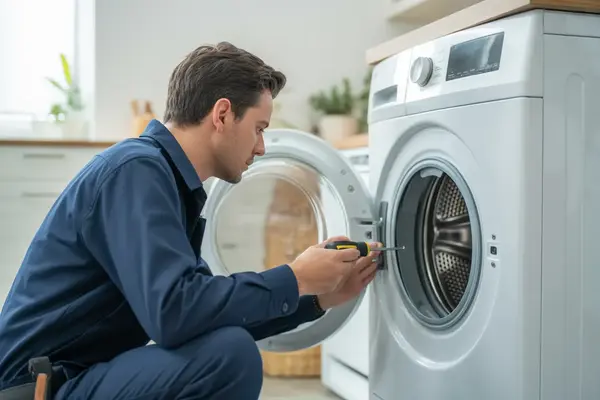
Why Does My Washing Machine Smell?
Washing machines operate in a warm, wet environment—conditions that bacteria, mold, and mildew love. Over time, residue from detergent, fabric softener, dirt, and body oils builds up inside areas you don’t normally see, such as hoses, seals, and drain systems.
Several factors contribute to washer odors:
- Frequent use of cold water cycles
- Excess detergent or fabric softener
- Poor airflow after wash cycles
- Trapped moisture in hidden components
- Infrequent deep cleaning
Modern high-efficiency (HE) washers, especially front-load models, use less water, which can allow residue to accumulate faster than in older top-load machines.
Common Causes of Washing Machine Odors
Understanding the root cause is key to eliminating smells permanently. Below are the most common reasons washing machines develop unpleasant odors.
Mold and Mildew Buildup
Mold and mildew are the number one cause of washing machine smells. They thrive in dark, damp environments—exactly what your washer becomes after a load finishes.
Front-load washers are particularly vulnerable because:
- The rubber door gasket traps moisture
- The door is often closed after use
- Detergent residue feeds mold spores
Once mold establishes itself, it can spread quickly and release a strong musty smell that transfers to clothes.
Standing Water in the Drum or Hoses
If water isn’t draining completely after a wash, it can stagnate inside the drum, pump, or drain hose. Standing water allows bacteria to grow and produces foul odors over time.
Common reasons for standing water include:
- Partially clogged drain hoses
- Blocked drain pumps
- Improper installation or leveling
This issue often leads to sewage-like smells.
Dirty Drain Filter or Lint Trap
Most washing machines have a drain filter designed to catch lint, hair, coins, and debris. When this filter becomes clogged, trapped organic matter begins to decompose—causing strong, unpleasant odors.
A dirty drain filter can also:
- Prevent proper drainage
- Cause water backup
- Lead to pump damage if ignored
Poor Ventilation After Wash Cycles
Closing the washer door or lid immediately after a cycle traps warm, humid air inside the machine. Without airflow, moisture lingers and creates the perfect environment for bacteria and mildew growth.
This is a simple but often overlooked cause of washer smells.
Identifying the Type of Washing Machine Smell
Different odors point to different problems. Identifying the smell helps you choose the right fix.
Washer Smells Like Mold or Mildew
- Smell description: Musty, damp, sour
- Likely cause: Mold or mildew buildup in the drum, door seal, or detergent drawer
This is the most common washer odor and usually responds well to deep cleaning and better ventilation.
Washer Smells Like Rotten Eggs
- Smell description: Sulfur-like, eggy odor
- Likely cause: Bacteria reacting with mineral-rich water or a clogged drain
In some cases, this smell is related to water heater issues or sulfur bacteria in the plumbing system.
Washer Smells Like Sewage
Smell description: Strong sewer or rotten waste smell
Likely cause:
- Blocked drain hose
- Improper standpipe installation
- Dry or faulty P-trap
Sewage smells should never be ignored, as they can indicate plumbing problems that may affect your home’s safety.
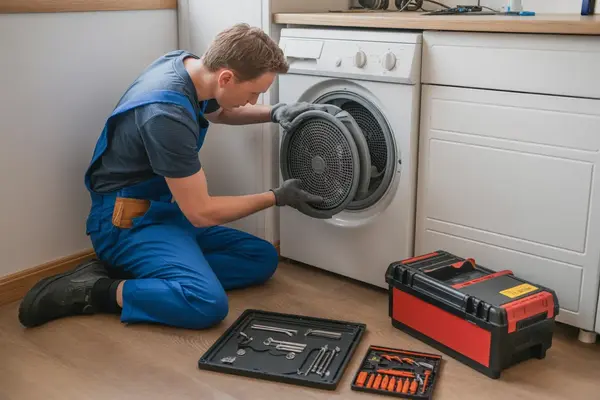
How To Clean a Smelly Washing Machine (Step-by-Step)
A thorough cleaning can eliminate most washer odors. Follow these steps carefully for best results.
Step 1: Gather Cleaning Supplies
You’ll need:
- White distilled vinegar
- Baking soda
- Microfiber cloths or soft rags
- Old toothbrush
- Mild dish soap
- Hot water
- Optional: commercial washing machine cleaner
Avoid mixing vinegar and bleach—they produce toxic fumes when combined.
Step 2: Clean the Rubber Door Seal (Front Load)
The rubber gasket around the door is a hotspot for mold.
- Pull back the rubber seal gently
- Wipe inside folds with a vinegar-soaked cloth
- Use a toothbrush to scrub stubborn mold spots
- Dry thoroughly with a clean towel
Check for trapped debris like coins, hair, or lint.
Step 3: Remove and Clean Detergent Dispenser
Detergent and softener residue hardens over time.
- Remove the detergent drawer
- Soak it in hot water and vinegar
- Scrub buildup with a toothbrush
- Clean the dispenser cavity inside the washer
- Reinsert only after fully dry
Step 4: Run a Hot Cleaning Cycle
This step sanitizes the internal drum and hoses.
Option A: Vinegar Wash
- Run an empty cycle on the hottest setting
- Add 2 cups of white vinegar to the drum
Option B: Baking Soda Rinse
- Run a second hot cycle
- Add ½ cup baking soda directly into the drum
Some washers have a dedicated “Clean Washer” cycle—use it if available.
Step 5: Clean the Drain Filter
- Locate the drain filter (usually behind a small front panel)
- Place a towel or shallow pan underneath
- Remove the filter slowly to release water
- Clean debris with warm soapy water
- Reinstall securely
This step alone often eliminates lingering odors.
Step 6: Wipe the Drum and Exterior
After cleaning cycles:
- Wipe the drum interior dry
- Clean the door, control panel, and exterior surfaces
- Leave the door open for ventilation
How Often Should You Clean Your Washing Machine?
For optimal performance and odor prevention:
- Monthly: Run a hot cleaning cycle
- Weekly: Wipe door seal and leave door open
- Every 2–3 months: Clean drain filter
- As needed: Clean detergent dispenser
Homes with large families or frequent laundry loads may need more frequent cleaning.
How To Prevent Washing Machine Smells in the Future
Prevention is easier than deep cleaning. Follow these best practices to keep your washer odor-free.
- Use the correct amount of HE detergent
- Avoid excessive fabric softener
- Wash at high temperatures periodically
- Remove clothes promptly after cycles
- Leave the door or lid open after use
- Clean the washer regularly
- Ensure proper drainage and ventilation
These habits significantly reduce moisture and residue buildup
When a Smelly Washing Machine Means a Bigger Problem
If odors return quickly or won’t go away after cleaning, the issue may be mechanical or plumbing-related.
Potential serious problems include:
- Failing drain pump
- Cracked or clogged drain hose
- Sewer gas backflow
- Mold growth behind the drum
- Incorrect plumbing installation
Persistent smells may also coincide with:
- Water pooling under the washer
- Slow or incomplete draining
- Unusual noises during cycles
When to Call a Professional Washing Machine Repair Service in Bend, OR
If you live in Bend, Oregon, and notice ongoing washer odors despite proper cleaning, it’s time to call a professional.
A qualified washing machine repair technician can:
- Inspect internal components
- Diagnose drainage and pump issues
- Check plumbing connections and P-traps
- Safely remove internal mold buildup
- Prevent costly future breakdowns
Professional service is especially important if you smell sewage, experience repeated drainage problems, or suspect plumbing issues beyond the washer itself.
Frequently Asked Questions
Why does my washing machine smell even after cleaning?
Odors that persist after cleaning often indicate hidden mold, clogged drain hoses, or plumbing issues. Internal components not accessible without disassembly may require professional service.
Can too much detergent cause washer odors?
Yes. Excess detergent doesn’t rinse away completely and creates residue that traps moisture and feeds bacteria, leading to smells.
Is a sewage smell dangerous?
Sewage smells can indicate sewer gas exposure, which may contain harmful gases like methane. If the smell is strong or persistent, contact a professional immediately.
Are front-load washers more prone to smells?
Yes. Front-load washers use less water and have airtight seals, making them more susceptible to moisture retention and mold growth if not maintained properly.
Should I use store-bought washer cleaners?
Commercial washer cleaners can be effective, especially for maintenance. Choose cleaners compatible with your washer type and follow manufacturer instructions carefully.
Final Thoughts
Washing machine smells are common—but they’re not something you have to live with. In most cases, odors are caused by moisture, residue, and poor airflow, all of which can be managed with proper cleaning and maintenance.
By understanding the type of smell, following a thorough cleaning routine, and adopting smart prevention habits, you can keep your washer fresh, efficient, and long-lasting.
And if you’re in Bend, OR, and the smell just won’t go away, don’t ignore it. A professional washing machine repair service can diagnose the issue early—saving you money, protecting your home, and restoring that clean-laundry freshness you expect.
Contact Info
Information


- 2026
- HomeFixly Appliance Repair.
- All rights reserved.