
Washer Not Spinning? 9 Common Causes (And How To Fix Them)
A washing machine that fills with water but refuses to spin can bring your entire laundry routine to a halt. You’re left with soaking-wet clothes, wasted time, and frustration—especially when you’re not sure whether the issue is minor or something serious.
The good news? A washer not spinning is a very common appliance problem, and in many cases, it’s caused by issues that are either simple to fix or easy to diagnose. From overloaded drums and unbalanced laundry to worn-out bearings or motor failures, each cause has clear warning signs.
In this guide, we’ll break down the 9 most common reasons your washer won’t spin, how to recognize each issue, and when it’s time to call a professional washer repair technician in Bend, OR.
Signs Your Washer Is Not Spinning Properly
A refrigerator makes loud noise when internal components like the evaporator fan, condenser fan, compressor, or ice maker become dirty, loose, worn out, or unlevel. While light humming is normal, loud or unusual sounds usually indicate a mechanical or airflow problem that needs attention.
Modern refrigerators rely on electrical, mechanical, and airflow systems working together. When one part becomes misaligned, dirty, or worn, noise is often the first warning sign.
Some sounds—such as gentle humming, soft clicking, or water dripping during defrost—are normal. However, loud, persistent, or unfamiliar noises should never be ignored, as they often signal an underlying issue that can worsen over time.
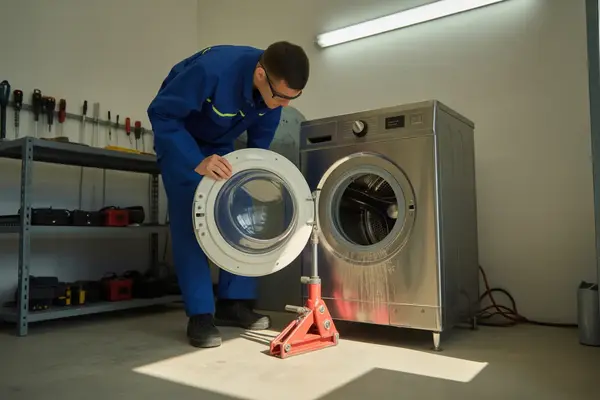
Before jumping into repairs, it’s important to confirm that your washing machine actually has a spin problem. Some symptoms are subtle, while others are impossible to ignore.
Common signs include:
- Clothes coming out soaking wet after a completed cycle
- Washer fills and drains water but does not spin
- Loud banging, grinding, or humming noises
- Washer stops mid-cycle or displays error codes
- Drum spins slowly or not at all
- Burning smell or electrical odor during operation
If you’re noticing one or more of these symptoms, one of the issues below is likely the cause.
1. Washer Overloaded (Too-Heavy Loads)
Overloading is one of the most common and overlooked reasons a washer won’t spin properly.
Symptoms
- Washer fills with water but stops before spinning
- Clothes remain extremely wet
- Drum struggles to rotate or doesn’t move
- Washer shuts off mid-cycle
Modern washing machines are designed with safety sensors that prevent spinning when the load is too heavy, protecting the motor and transmission.
How To Fix It
- Pause the cycle and remove some items
- Redistribute clothes evenly
- Run a spin-only cycle
- Follow manufacturer load capacity guidelines
Avoid stuffing bulky items like comforters, towels, or jeans into a single load.
2. Unbalanced Load Inside the Drum
Even if the washer isn’t overloaded, uneven distribution can prevent spinning.
Symptoms
- Loud knocking or banging during spin
- Washer shakes excessively
- Cycle stops before high-speed spin
- Error codes related to balance
Unbalanced loads are especially common with blankets, rugs, and mixed fabric weights.
How To Fix It
- Stop the washer and rearrange items evenly
- Separate heavy and lightweight fabrics
- Wash bulky items individually
- Use the washer’s balance correction cycle if available
Consistently unbalanced loads may indicate suspension or shock absorber issues.
3. Washer Not Level on the Floor
A washer that isn’t sitting level can confuse balance sensors, preventing the spin cycle from engaging.
Symptoms
- Washer rocks or moves during operation
- Uneven gaps between washer and floor
- Persistent balance errors
- Incomplete spin cycles
This issue is common after moving a washer or installing it on uneven flooring.
How To Fix It
- Use a bubble level to check alignment
- Adjust the leveling legs
- Tighten locking nuts
- Place the washer on a stable surface
If the floor itself is uneven, anti-vibration pads can help.
4. Faulty or Stuck Lid Switch (Top-Load Washers)
Top-load washers rely on a lid switch or lid lock as a safety mechanism. If it fails, the washer won’t spin.
Symptoms
- Washer fills and drains but won’t spin
- No sound from the motor during spin
- Clicking noise missing when lid closes
- Washer stops immediately after wash cycle
How To Check
- Open and close the lid firmly
- Listen for a clicking sound
- Inspect the switch for visible damage
- Test continuity with a multimeter
A defective lid switch usually requires replacement but is relatively inexpensive.
5. Broken or Slipping Drive Belt
Many washers use a rubber drive belt to spin the drum. Over time, it can stretch, slip, or break.
Symptoms
- Motor runs but drum doesn’t spin
- Burning rubber smell
- Slow or weak spinning
- Visible belt wear underneath the washer
Solution
- Unplug the washer
- Access the rear or bottom panel
- Inspect the belt for cracks or looseness
- Replace with the correct model-specific belt
Belt replacement is manageable for DIYers with basic tools.
6. Clogged or Failing Drain Pump
If your washer cannot drain water efficiently, it may refuse to spin entirely.
Symptoms
- Washer won’t spin but water remains inside
- Gurgling or buzzing sounds
- Slow draining
- Error codes related to drainage
Lint, coins, socks, or debris commonly clog drain pumps.
How To Fix It
- Clean the drain pump filter
- Check hoses for blockages
- Remove trapped debris
- Replace the pump if it’s failing
Never ignore drainage issues—they can damage the motor and control board.
7. Motor Coupling or Drive Motor Failure
The motor coupling connects the motor to the transmission in many washers.
Symptoms
- Washer fills and drains but won’t spin or agitate
- Humming noise from motor
- Burnt rubber smell
- Washer completely stops mid-cycle
Motor coupling failures are common in older machines and require part replacement.
8. Worn-Out Drum Bearings
Drum bearings allow smooth rotation during spin cycles. When they wear out, spinning becomes difficult or impossible.
Symptoms
- Loud grinding or roaring noises
- Drum feels stiff when turned by hand
- Excessive vibration
- Water leaks near the bearing seal
Bearing replacement is labor-intensive and often requires professional service.
9. Control Board or Power Supply Issue
The control board is the washer’s brain. If it malfunctions, the spin cycle may never start.
Symptoms
- Washer powers on but won’t spin
- Inconsistent behavior
- Error codes
- No response to settings
Electrical issues require advanced diagnostics and should be handled by professionals.
Can You Fix a Washer That Won’t Spin Yourself?
A washer that won’t spin is a common appliance issue that can leave clothes soaking wet and disrupt your daily routine. The problem is often caused by simple issues such as an overloaded or unbalanced drum, an uneven washer placement, or a clogged drain pump.
In other cases, worn drive belts, faulty lid switches, motor problems, or control board failures may be responsible. Identifying the symptoms early can help prevent further damage.
While some fixes are DIY-friendly, complex mechanical or electrical issues usually require professional washer repair services to restore proper spinning performance safely.
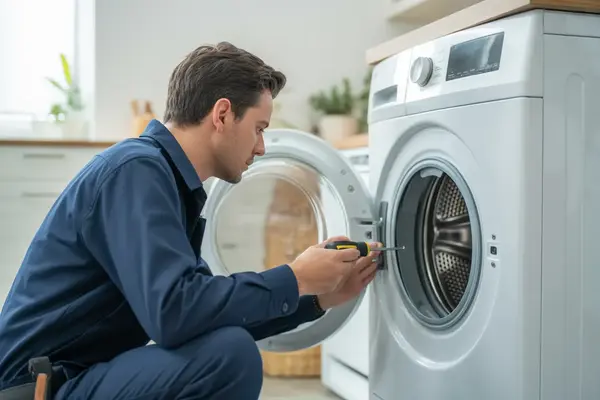
When Should You Call a Professional Washer Repair Technician?
You should call a professional washer repair technician when the problem goes beyond basic troubleshooting and safety becomes a concern. Loud grinding or metal noises often indicate serious mechanical damage, while burning smells or visible sparks point to electrical hazards that should never be ignored.
If the drum won’t move at all or the washer repeatedly shows the same error codes, internal components such as the motor, control board, or wiring may be failing. Repairs involving electrical parts or major mechanical systems require expert tools and knowledge.
Delaying professional service can worsen the damage and turn a simple repair into an expensive washer replacement.
Washer Repair Services in Bend, OR
If your washer won’t spin and DIY fixes haven’t worked, professional help can save you time and money.
Local washer repair services in Bend, OR offer:
- Accurate diagnosis
- Same-day or next-day service
- OEM replacement parts
- Repairs for all major brands
- Cost-effective solutions vs replacement
A trained technician ensures your washer runs safely and efficiently again.
Frequently Asked Questions
Why won’t my washer spin but drains water?
This usually indicates a lid switch, drive belt, motor coupling, or control board issue.
How much does it cost to fix a washer that won’t spin?
Repairs typically range from $150 to $400, depending on the problem and parts required.
Is it worth repairing an old washing machine?
If the repair cost is less than 50% of a new washer, repair is usually worth it.
Can a clogged drain cause spin problems?
Yes. If water can’t drain properly, the washer often won’t spin for safety reasons.
How long does washer repair usually take?
Most washer repairs take 1–2 hours, depending on complexity and part availability.
Conclusion
A washer not spinning doesn’t always mean a major breakdown. In many cases, the cause is simple—like an unbalanced load or clogged drain. However, ignoring early warning signs can lead to expensive repairs or permanent damage.
By understanding the most common washer spin problems, you can make informed decisions, avoid unnecessary replacements, and restore your appliance’s performance quickly. And when in doubt, trusting a professional washer repair technician in Bend, OR ensures the job is done safely and correctly.
Contact Info
Information



- 2026
- HomeFixly Appliance Repair.
- All rights reserved.