
Six Steps to Fix a Refrigerator That’s Making Loud Noise
A refrigerator making loud noise can be alarming—especially when the sound appears suddenly or worsens over time. Humming, buzzing, rattling, knocking, or grinding noises often signal that something inside the appliance isn’t functioning properly.
While some refrigerator sounds are completely normal, others indicate loose components, airflow issues, or failing parts that require attention. Ignoring these noises can lead to higher energy bills, spoiled food, or even complete appliance failure.
In this guide, we’ll explain why your refrigerator is making loud noise, walk through the most common causes, and provide six practical steps to fix the issue. We’ll also cover when to call a professional refrigerator repair technician in Bend, OR, and how to prevent future noise problems.
Key Takeaways
- Loud refrigerator noises often come from fans, coils, leveling issues, or the ice maker.
- Many noise problems have simple DIY fixes that take less than an hour.
- Regular cleaning and proper leveling prevent most future noise issues.
- Some sounds indicate compressor or motor problems that require professional repair.
- Homeowners in Bend, OR can reduce repair costs by addressing noise issues early.
Why Is Your Refrigerator Making Loud Noise?
A refrigerator makes loud noise when internal components like the evaporator fan, condenser fan, compressor, or ice maker become dirty, loose, worn out, or unlevel. While light humming is normal, loud or unusual sounds usually indicate a mechanical or airflow problem that needs attention.
Modern refrigerators rely on electrical, mechanical, and airflow systems working together. When one part becomes misaligned, dirty, or worn, noise is often the first warning sign.
Some sounds—such as gentle humming, soft clicking, or water dripping during defrost—are normal. However, loud, persistent, or unfamiliar noises should never be ignored, as they often signal an underlying issue that can worsen over time.
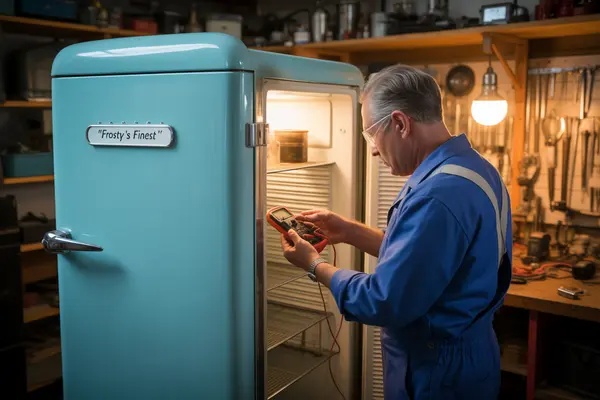
Common Causes of a Noisy Refrigerator
1. Compressor Noise
The compressor is the heart of the refrigerator, circulating refrigerant through the cooling system. It normally produces a low humming sound during operation.
When it becomes a problem:
If the compressor produces loud buzzing, knocking, clunking, or banging sounds—especially during startup or shutoff cycles—it may indicate internal wear, electrical relay issues, or overheating. Compressor-related noise often coincides with inconsistent cooling or longer run times.
2. Evaporator Fan Noise
The evaporator fan is located inside the freezer compartment and circulates cold air throughout the refrigerator.
Common symptoms include:
- High-pitched squealing
- Grinding or scraping sounds
- Noise that stops when the freezer door is opened
Ice buildup, worn motor bearings, or a failing fan motor can cause excessive noise and uneven cooling.
3. Condenser Fan Noise
The condenser fan, usually located underneath or behind the refrigerator, cools the compressor and condenser coils.
Noise issues occur when:
- Dust or debris obstructs the fan blades
- Motor bearings wear out
- The fan becomes misaligned
A loud buzzing or rattling noise from the back or bottom of the refrigerator often points to condenser fan problems.
4. Drain Pan Vibration
The drain pan collects condensation during the defrost cycle and sits near the compressor. If it becomes loose, warped, or misaligned, it may vibrate or rattle when the refrigerator is running, especially during compressor cycles.
5. Ice Maker Noise
Ice makers are a frequent source of refrigerator noise.
You may hear:
- Clicking during ice maker cycles
- Knocking as ice cubes eject
- Buzzing when the water inlet valve opens
While some ice maker noise is normal, loud, repetitive, or irregular sounds may indicate a malfunction, blocked water line, or low water pressure.
6. Loose or Unlevel Refrigerator
If the refrigerator isn’t level, internal vibrations can amplify noise.
Unlevel placement can cause:
- Rattling
- Knocking
- Increased compressor noise
This is one of the most common—and easiest—noise issues to fix.

Six Steps to Fix a Refrigerator Making Loud Noise
Step 1 – Identify the Source of the Noise
Carefully listen to determine where the noise is coming from.
Ask yourself:
- Is the noise coming from the back, bottom, or inside the freezer?
- Does it stop when the refrigerator door is opened?
- Does it occur constantly or only during cooling cycles?
Pinpointing the noise source helps narrow down the exact component causing the issue.
Step 2 – Check Refrigerator Level & Placement
An unlevel refrigerator is one of the most common and overlooked causes of rattling or vibration noise. When the appliance isn’t balanced, normal compressor and fan operation can transfer vibrations into the floor, cabinets, or nearby walls.
Place a bubble level on top of the refrigerator and check both side-to-side and front-to-back alignment. Most refrigerators should sit slightly higher in the front to ensure proper door closure.
Adjust the front leveling legs until the unit sits firmly without rocking. Also ensure there is adequate clearance around the refrigerator, especially at the back and sides, to allow proper airflow and reduce vibration echo.
Step 3 – Inspect and Secure the Drain Pan
The drain pan collects water during the automatic defrost cycle and sits close to the compressor. If the pan is loose or damaged, it can vibrate and create rattling or buzzing noises.
Unplug the refrigerator and locate the drain pan, usually accessible from the front toe-kick or rear service panel. Slide it out and inspect it for cracks or warping.
Make sure the pan is properly seated in its mounting bracket or track. Replacing a damaged drain pan is an inexpensive fix that often eliminates persistent rattling noises.
Step 4 – Clean and Inspect the Condenser Coils & Fan
The condenser coils and fan release heat from the refrigerator and keep the compressor from overheating. When coated with dust, pet hair, or grease, airflow is restricted and noise levels increase.
Unplug the refrigerator and pull it away from the wall. Remove the rear access panel or bottom grille to expose the coils and fan. Use a vacuum or condenser coil brush to remove debris.
Spin the condenser fan blade by hand. It should rotate smoothly without resistance or wobbling. If the fan motor remains noisy after cleaning, it may need replacement.
Routine condenser coil cleaning once or twice a year helps keep your refrigerator quiet and efficient.
Step 5 – Check the Evaporator Fan Inside the Freezer
If the noise comes from inside the freezer, the evaporator fan is a likely culprit.
Unplug the refrigerator, remove freezer shelves, and take off the rear interior panel. Look for ice buildup around the fan blades or housing. Ice contact can cause scraping or ticking sounds.
Spin the fan blade by hand. It should move freely and quietly. Grinding, stiffness, or wobbling usually indicates a failing motor that will require replacement to restore proper airflow and quiet operation.
Step 6 – Determine If It’s a Compressor or Ice Maker Issue
If the refrigerator still makes loud noise after checking leveling, fans, coils, and the drain pan, the issue may involve the compressor or ice maker system.
A failing compressor may produce loud knocking, clunking, or persistent buzzing, often accompanied by poor cooling or long run times. Ice maker problems may cause buzzing from the water inlet valve or knocking when ice fails to eject properly.
Because these components involve electrical systems and specialized parts, DIY repairs are not recommended. A professional refrigerator repair technician can safely diagnose the issue and restore quiet operation without risking further damage.
Refrigerator Noises You Should Never Ignore
Some sounds signal serious problems that require immediate attention:
- Loud grinding or metal-on-metal noises
- Repeated clicking with no cooling
- High-pitched screeching
- Sudden increases in noise volume or frequency
Ignoring these sounds can lead to compressor failure, electrical damage, or complete refrigerator breakdown.
When to Call a Professional Refrigerator Repair Technician in Bend, OR
If basic troubleshooting doesn’t solve the problem—or if the noise involves the compressor, sealed system, or electrical components—it’s time to call a professional.
A local refrigerator repair technician in Bend, Oregon can:
- Accurately diagnose the issue
- Replace faulty components safely
- Restore quiet operation and energy efficiency
- Prevent costly future breakdowns
Homes in Bend and Central Oregon often experience refrigerator noise issues caused by dust buildup, uneven flooring, or seasonal humidity changes. Professional service ensures your appliance runs reliably year-round.
Preventive Maintenance Tips to Keep Your Refrigerator Quiet
Regular maintenance can prevent most refrigerator noise problems.
Best practices include:
- Cleaning condenser coils every 6–12 months
- Keeping the refrigerator level
- Avoiding overloaded shelves
- Checking door seals for proper closure
- Addressing unusual sounds early
Preventive care not only reduces noise but also extends the life of your refrigerator.
Frequently Asked Questions
Why is my refrigerator suddenly making loud noise?
Sudden loud noise often results from a failing fan motor, loose component, ice buildup, or compressor strain. Identifying the source early can prevent major repairs.
Can a noisy refrigerator mean compressor failure?
Yes. Loud buzzing, knocking, or repeated clicking may indicate compressor problems and should be inspected by a professional technician.
Is it safe to use a refrigerator that is making loud noise?
Minor issues like leveling or loose parts are usually safe, but electrical or compressor-related noises should be addressed promptly.
How much does it cost to fix a noisy refrigerator?
Costs vary depending on the issue. Simple fixes are inexpensive, while fan motors or compressor repairs cost more. A professional diagnosis provides accurate pricing.
Should I repair or replace a loud refrigerator?
If the unit is relatively new and repair costs are reasonable, repair is often the better option. Older refrigerators with major compressor issues may be more cost-effective to replace.
Schedule Refrigerator Repair in Bend, Oregon
If your refrigerator is making loud noise and DIY fixes haven’t worked, professional help is the safest solution.
A trusted refrigerator repair service in Bend, OR can diagnose the issue, restore quiet operation, and protect your appliance investment.
Don’t wait for a minor noise to turn into a major breakdown—schedule your refrigerator repair in Bend, Oregon today and enjoy peace of mind with a properly functioning, quiet refrigerator.
Contact Info
Information




- 2026
- HomeFixly Appliance Repair.
- All rights reserved.